




- Detailed analysis surrounding spinking reveals captivating design possibilities
- Delving into the Technical Aspects of Spinking
- The Role of Algorithms and Automation
- Exploring the Aesthetic Qualities of Spinking
- Spinking and the Illusion of Depth
- Applications of Spinking Beyond Fine Art
- Spinking in the Realm of Virtual and Augmented Reality
- The Future Trajectory of Spinking
Detailed analysis surrounding spinking reveals captivating design possibilities
The world of artistic expression is constantly evolving, with new techniques and approaches emerging to challenge conventional boundaries. One such fascinating exploration lies within the realm of spinking, a method that marries visual aesthetics with intricate manipulation of form and texture. It's a relatively recent development, gaining traction among digital artists and designers looking to create unique and captivating imagery. This isn't merely about applying a filter or effect; it’s about actively restructuring the visual information to generate something previously unseen.
The core of this technique relies on a deep understanding of visual principles, including color theory, composition, and the psychological impact of different shapes and lines. It moves beyond the simple duplication or alteration of existing designs, venturing into the territory of generative art where algorithms and creative input intertwine. The captivating results of this artistic process can truly redefine the way we experience digital media and visual storytelling, and its potential extends far beyond simple aesthetic appeal.
Delving into the Technical Aspects of Spinking
At its heart, spinking involves the deliberate distortion and recombination of visual elements. This isn't limited to digital images; the principles can be applied to physical mediums as well, though the execution differs greatly. Digitally, software plays a critical role. Specialized tools, or cleverly combined existing programs, allow artists to manipulate pixels, vectors, and layers with a degree of precision that would have been unimaginable a few decades ago. The process frequently begins with a base image or generative design, which then serves as the foundation for the spinking operation. The true innovation isn’t necessarily the tools, but the creative methodology behind their use.
The Role of Algorithms and Automation
While human creativity remains paramount, algorithms can significantly accelerate and enhance the spinking process. Generative algorithms, for example, can create variations on a theme, effectively providing an artist with a vast palette of starting points. These algorithms can be programmed to prioritize certain visual characteristics, such as symmetry, asymmetry, or specific color palettes, guiding the spinking process in a desired direction. The key is to think of these algorithms not as replacements for artistic vision, but as powerful collaborators, extending the boundaries of what is achievable. Exploring the interplay between manual control and automated generation is proving to be a highly productive avenue for artistic innovation.
| Adobe Photoshop | Layer manipulation, masking, filters, warping tools |
| Processing | Generative algorithms, pixel manipulation, real-time visual feedback |
| TouchDesigner | Node-based visual programming, real-time rendering, interactive installations |
| Blender | 3D modeling, procedural texturing, complex visual effects |
The table above highlights just a few of the software options that artists use to achieve unique spinking effects. Each of these programs offers a different approach and set of tools, allowing for a diverse range of artistic styles and outcomes. Understanding the strengths and weaknesses of each platform is crucial for any artist looking to effectively incorporate spinking into their workflow.
Exploring the Aesthetic Qualities of Spinking
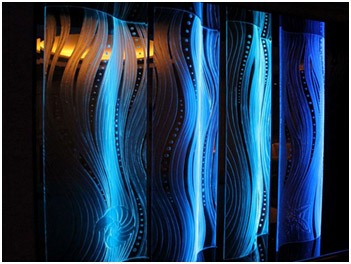
The resulting visuals of spinking are often characterized by a distinctive sense of fluidity and dynamism. Forms appear to melt, twist, and reshape themselves, creating a captivating sense of movement even in static images. Color palettes frequently take on a heightened vibrancy, with unexpected combinations and gradients emerging as a consequence of the distortion process. This aesthetic is particularly well-suited for representing abstract concepts, conveying emotions, and creating a dreamlike atmosphere. Many pieces characterized by spinking evoke feelings of wonder, disorientation, and a subtle unease, making them particularly effective for narrative storytelling. The visual complexity inherent in the technique demands attentive viewing, rewarding the observer with layers of detail and hidden surprises.
Spinking and the Illusion of Depth
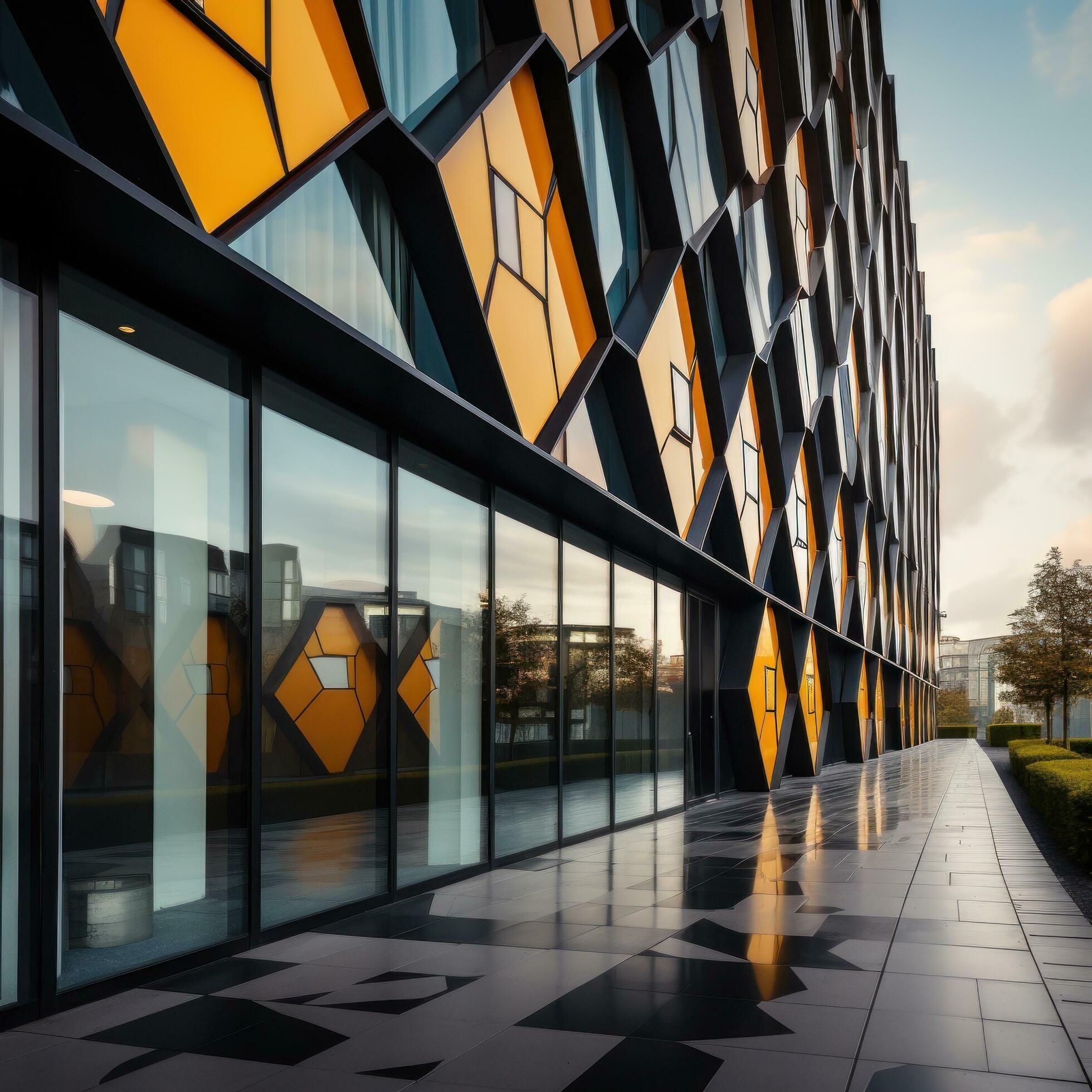
One of the most striking aspects of successful spinking is its ability to create a convincing illusion of depth. By manipulating the layering and distortion of visual elements, artists can trick the eye into perceiving a three-dimensional space where none actually exists. This is often achieved through the careful use of perspective, shading, and color gradients, all of which are artfully distorted and recombined through the spinking process. This depth illusion isn’t merely cosmetic; it contributes significantly to the overall immersive quality of the piece and draws the viewer into the artwork.
- Creates a feeling of movement and energy within a static image.
- Allows for the exploration of unconventional color palettes and textures.
- Offers a unique way to visualize abstract concepts and emotions.
- Encourages attentive viewing and rewards the observer with layers of detail.
- Breaks down traditional visual conventions, leading to novel artistic expression.
This list summarizes some of the key aesthetic benefits that spinking brings to the visual arts. It is a process that transcends mere technical skill and delves into the very heart of visual perception. The aesthetic qualities are, of course, subjective, but the consistently captivating effects elicit a common response among viewers.
Applications of Spinking Beyond Fine Art
While its origins lie within the realm of digital art, the principles of spinking are finding applications in a surprisingly diverse range of fields. From motion graphics and visual effects for film and television, to user interface design and advertising, the technique’s ability to create visually arresting and memorable imagery is proving highly valuable. The flexibility offered by spinking allows designers to create unique branding elements, captivating animations, and immersive digital experiences. Its influence can even be seen in the fashion industry, with designers incorporating spinking-inspired patterns and textures into their clothing and accessories. The versatility of the technique makes it a powerful tool for communicating ideas and engaging audiences.
Spinking in the Realm of Virtual and Augmented Reality
The potential of spinking is particularly exciting in the context of virtual and augmented reality. The technique’s ability to create a sense of fluidity and distortion lends itself perfectly to the creation of immersive and otherworldly environments. Imagine a virtual landscape that constantly shifts and morphs, responding to the user's movements and interactions. Or an augmented reality experience where everyday objects are transformed into surreal and captivating spectacles. The interactive possibilities are virtually limitless, potentially revolutionizing the way we experience and interact with digital worlds. This synergy between spinking and immersive technologies is poised to unlock unprecedented levels of creative expression.
- Conceptualize a base form or image that will be the foundation for the spinking effect.
- Utilize software tools to distort and manipulate the visual elements of the base form.
- Experiment with different algorithms and parameters to achieve desired results.
- Refine the composition and color palette to enhance the aesthetic appeal.
- Iterate on the process, exploring different variations and possibilities.
These steps offer a basic framework for approaching the spinking process. However, it is important to remember that experimentation and creativity are key. There are no hard and fast rules, and the best results often come from pushing boundaries and exploring unconventional approaches. The most successful spinking artists are those who are willing to embrace the unexpected and see where the process takes them.
The Future Trajectory of Spinking
The development of spinking is still in its early stages, and the future holds immense potential for further innovation. As technology continues to advance, we can expect to see even more sophisticated tools and techniques emerge, allowing artists to push the boundaries of visual expression even further. The integration of artificial intelligence and machine learning will likely play a significant role, enabling artists to create spinking effects that are both highly complex and deeply personalized. The exploration of new mediums, such as holographic displays and volumetric imaging, will also open up exciting new avenues for experimentation. The ability to manipulate light and form in three-dimensional space promises to unlock a new era of visual artistry.
Furthermore, the increasing accessibility of digital art tools is empowering a new generation of artists to explore spinking and other innovative techniques. This democratization of creativity is fostering a vibrant and dynamic community of artists who are constantly challenging conventional norms and pushing the boundaries of what is possible. As spinking continues to evolve, it will undoubtedly shape the future of visual art and design, inspiring new forms of expression and enriching our cultural landscape. Its enduring appeal lies in the ability to transform the ordinary into the extraordinary, the mundane into the magical.